he improvement of Chinese football depends on a more robust league, a conclusion becoming harder to dispute after years of expensive signings, unstable clubs and disappointing international results. China’s domestic game has produced flashes of quality, yet the competition remains too fragile to sustain them. Clubs have entered seasons under financial pressure, players have gone unpaid。and several teams have disappeared after winning promotion. In that environment, national-team ambitions become slogans rather than a development plan. The improvement of Chinese football depends on a more robust league because a national side cannot be stronger than the weekly football ecosystem supporting it.
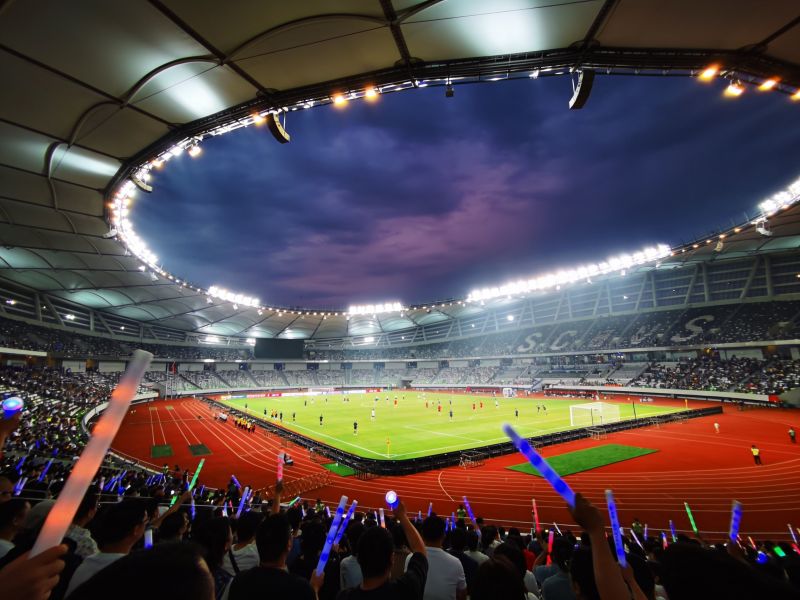
The Chinese Super League still attracts crowds, sponsors and television attention when a major fixture catches the public imagination. A packed stadium in Chengdu or Beijing can sound like a football city, with drums echoing through the stands and supporters queuing hours before kickoff. But the contrast between those scenes and the balance sheets of many clubs is stark. Municipal backing has often replaced sustainable commercial income。while ownership changes can alter a team’s future overnight. The improvement of Chinese football depends on a more robust league, not on another short burst of spending. Clubs need audited accounts, predictable revenue, enforceable wage rules and owners prepared to plan over five or ten years rather than one transfer window.That stability would also change the daily experience of players. Young Chinese footballers need regular, meaningful competition against experienced professionals, not occasional appearances after a foreign star has been injured. A 19-year-old midfielder learns more from making a difficult decision in a tense league match than from sitting on the bench during a high-profile international fixture. The improvement of Chinese football depends on a more robust league where coaches are trusted to develop talent and clubs are rewarded for using it. League regulations could require a carefully designed quota for under-23 players, but the rule would work only if clubs had competent academies, qualified coaches and enough matches to give prospects genuine responsibility. The improvement of Chinese football depends on a more robust league in which youth development is a sporting investment。not a compliance exercise.Quality must improve beyond the first division as well. A narrow pyramid leaves too many players without a competitive pathway once they leave academy football. The second and third tiers need reliable calendars, proper medical support, decent pitches and transparent promotion rules. Matches played in half-empty stadiums on short notice do little to build confidence among supporters or sponsors. A stronger lower-tier system would allow smaller cities to develop local identities and give talented players more routes into professional football. The improvement of Chinese football depends on a more robust league across every level, with financial controls applied before a club is admitted rather than after it collapses. League authorities should publish licensing decisions and sanctions clearly;secrecy breeds rumors。while transparency gives responsible clubs a fairer chance to compete.
There is no quick fix, and that may be the most useful reality for Chinese football. Imported stars can raise standards in training, but they cannot repair weak governance. A national coach can change tactics。but cannot create a generation of players who have spent hundreds of competitive hours under pressure. The improvement of Chinese football depends on a more robust league built around financial discipline, better coaching, stronger academies and a calendar fans can trust. The improvement of Chinese football depends on a more robust league that treats supporters as customers, players as long-term assets and clubs as institutions rather than temporary projects. If those foundations are established, international progress should follow gradually. If they are ignored, another expensive campaign may produce headlines, but not a healthier game.