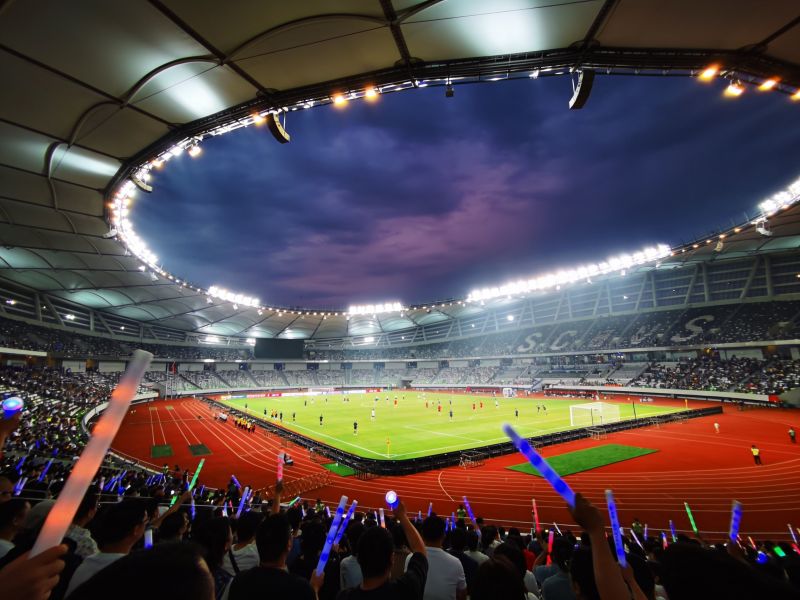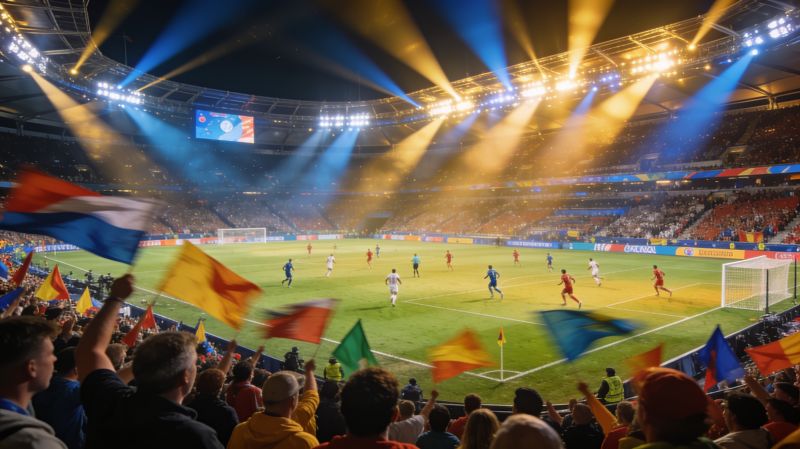
an Siro Meazza remains the loudest symbol of Milanese football, yet its future is now being argued in council chambers。club offices and neighborhood meetings rather than only from the terraces. AC Milan and Inter Milan continue to weigh the cost of renovating the historic ground against building new stadiums elsewhere, a dispute that has grown into one of Italy’s most closely watched sports-infrastructure stories. On match nights, San Siro Meazza still delivers an atmosphere few modern arenas can match. The steep stands close in on the pitch, the floodlights cut through the evening haze and the noise rises in layers, especially when a derby turns tense. That emotional value is the strongest argument for keeping the stadium alive.San Siro Meazza was opened in 1926 and expanded several times before the 1990 World Cup, when its distinctive red roof structures and towering spiral access ramps gave the ground its modern identity. The stadium is officially named Stadio Giuseppe Meazza, honoring the former Italian striker who played for both Milan clubs, but many supporters continue to call it San Siro after the surrounding district. Capacity。
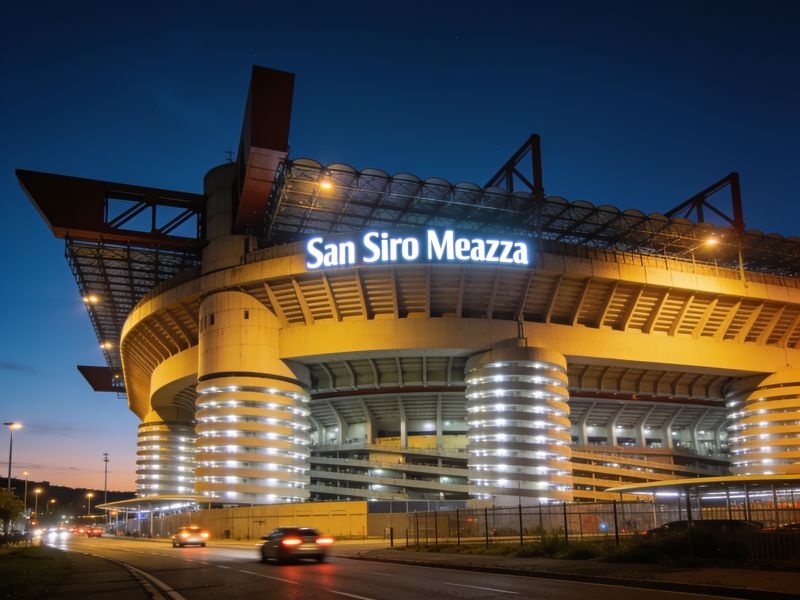
sightlines and hospitality areas have improved over the decades, although the building also shows the strain of age. Concrete repairs, restricted commercial space and the difficulty of creating premium facilities inside a protected urban site have sharpened the clubs’ concerns. For executives, nostalgia cannot by itself pay for a stadium that must compete with newer European venues.The debate became especially intense when Milan and Inter explored separate development plans, including a proposed football district in San Donato for AC Milan and other possible sites for Inter. A new venue could offer year-round retail, restaurants, offices and naming-rights income, all designed around the matchday economy rather than added piecemeal. San Siro Meazza, by contrast。sits in a mature neighborhood with transport links and a large existing fan culture, but its surrounding land leaves less room for expansion. Club officials have repeatedly pointed to the time and expense required to modernize the ground while matches continue. Residents and preservation groups have answered that demolition would erase a rare piece of sporting architecture. The argument is not simply old stadium versus new stadium;it is a choice between an irreplaceable civic landmark and a more efficient commercial machine.Local politics has kept the question moving in fits and starts. Milan officials have examined renovation concepts, possible ownership arrangements and the financial value of the land, while both clubs have studied alternatives that could give them greater control over revenue. San Siro Meazza remains municipal property, a fact that complicates every timetable and keeps public interest at the heart of the negotiations. Any major project must address transport。security, noise and the thousands of residents who live near the stadium. A partial renovation could preserve the main structure while reducing capacity during construction, creating a difficult period for two clubs with demanding season-ticket bases. Demolition would be faster only in theory;
permits, heritage concerns and replacement planning could still stretch across years. People familiar with the debate often describe the process as less a straight race than a slow contest of leverage.For supporters。the practical questions are inseparable from memory. San Siro Meazza hosted World Cup matches, European finals, countless derby nights and the celebrations that followed league titles. Older fans remember arriving by tram and hearing the crowd before the stadium came into view;
younger supporters know it through phone videos, giant choreography and nights when the upper tiers shook under coordinated singing. San Siro Meazza is also a working asset, not a museum piece, and both Milan clubs need facilities capable of generating stable income in a competitive football market. San Siro Meazza can still be renovated, but the bill, schedule and limits of the site remain serious obstacles. San Siro Meazza could also become the emotional centerpiece of a new arrangement if a credible modernization plan emerges. Until a binding decision is made, San Siro Meazza will continue to host the matches while serving as the most visible reminder that football buildings carry history, politics and business all at once.