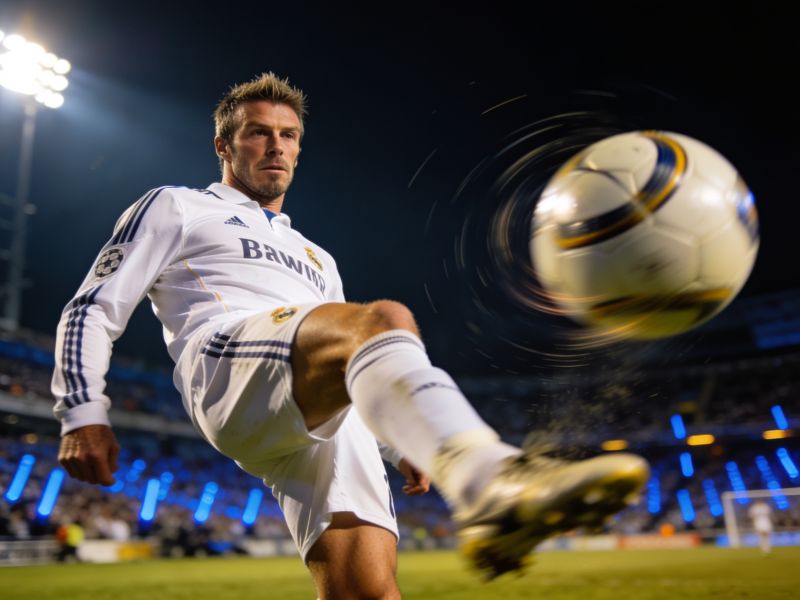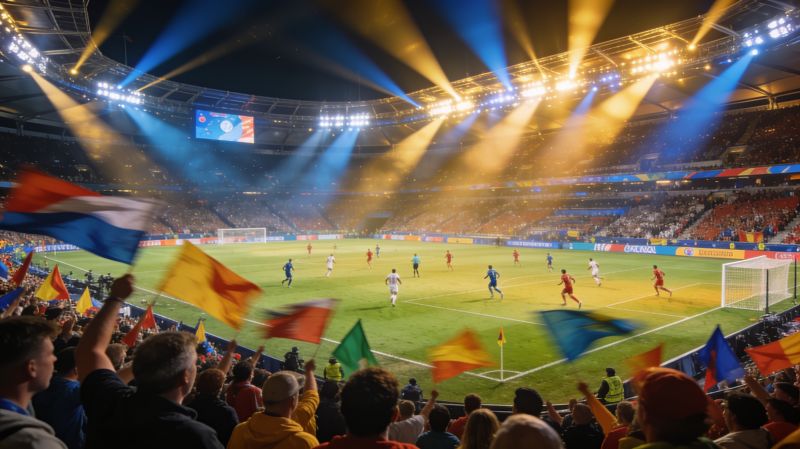
Free kick highlights often begin with a goalkeeper taking one step to the wrong side. A wall of defenders jumps, the ball bends over it, and a stadium reacts before the net even moves. That familiar sequence remains one of football’s most dramatic moments because it compresses skill, deception and nerve into a few seconds. Free kick highlights from David Beckham’s curling strike against Greece in 2001 still circulate because the technique was almost impossibly clean: the ball cleared the wall, dipped sharply and found the top corner. Juninho Pernambucano made the same scene look different. His knuckleball deliveries seemed to wobble in midair。leaving goalkeepers frozen between movement and hope. Modern Free kick highlights continue to reward players who can turn a dead-ball situation into a direct attack.The best Free kick highlights are rarely just about power. Lionel Messi’s low, bending attempts frequently expose a gap beneath the defensive wall, while Cristiano Ronaldo’s famous stance and long run-up created a visual story before the strike itself. James Ward-Prowse has built a reputation around repeatable accuracy, often placing the ball beyond the goalkeeper’s reach rather than simply hitting it harder. During his Southampton years。analysts tracked his delivery from nearly every angle, and the numbers supported what supporters already felt: his Free kick highlights were built on precision, not theatrical force. A slight change in body position can alter the ball’s spin, flight and final drop. At elite level, that margin is smaller than a boot’s width.
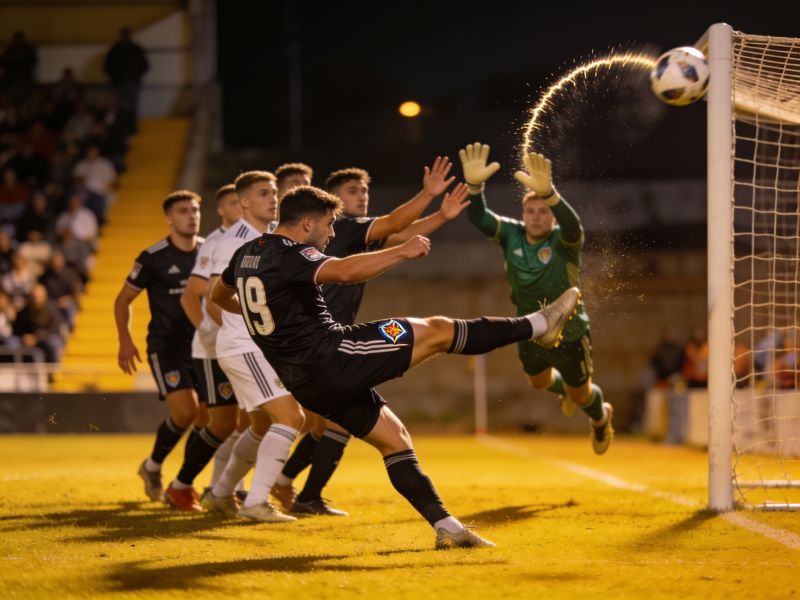
Recent Free kick highlights also show how defensive planning has changed. Goalkeepers now study preferred striking zones, while coaches use taller walls。crouching players and runners positioned behind the line to block low shots. The extra preparation has not removed the threat;it has made the duel more tactical. In one match, a kicker may aim over the wall. In the next, he may slide the ball underneath it while teammates jump to distract the goalkeeper. Free kick highlights from major European competitions regularly feature this cat-and-mouse battle, with attackers reading the wall’s shape and defenders trying not to reveal their intentions. The quiet pause before the whistle has become a tactical exchange, not a break in the action.Technology has changed the way fans consume Free kick highlights as much as it has changed analysis. Slow-motion replays reveal the exact moment a player wraps his foot around the ball, while tracking graphics show the route from contact to the corner. A strike that looks straight from the stands can be seen curving several metres on screen. Social platforms then isolate the decisive second and send it around the world within minutes. That speed can flatten context, though. A spectacular Free kick highlight may hide the foul that created the chance, the teammate who screened the wall or the goalkeeper who had been positioned correctly until the final dip. The replay delivers the thrill。but the full sequence explains why the goal happened.For supporters, Free kick highlights retain a special appeal because they offer a rare contest with almost no moving parts. Eleven defenders can stand behind the ball, yet one technically gifted player can still seize control. The most memorable examples carry a hint of defiance: a packed stadium expects a cross, the goalkeeper sets for a routine delivery, and the kicker chooses the impossible-looking corner instead. Free kick highlights from Beckham, Juninho, Messi and Ward-Prowse belong to different eras, but they share the same emotional trigger. They make football feel briefly personal, as if the player has challenged the laws of distance and pressure in front of everyone. That is why every direct free kick, even an ordinary one。still contains the possibility of a moment supporters will replay for years.